
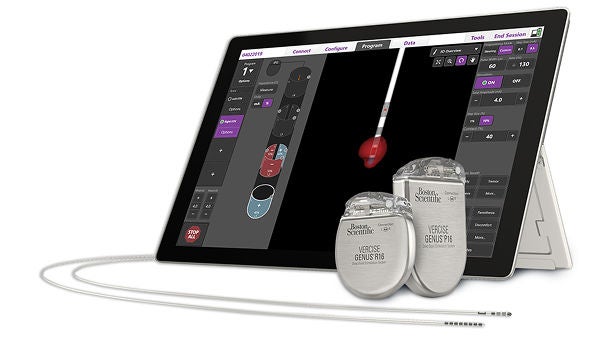
Vercise DBS System
The Vercise DBS System from Boston Scientific is built for your life. It works like a pacemaker for the brain, using thin wires to send gentle electrical signals to the specific areas that control movement.
Our system is a personalized platform — not a device that treats everyone with a movement disorder the same. Vercise is designed to adapt to your unique anatomy, aiming to give you the best possible relief from Parkinson's disease (PD) or essential tremor (ET) symptoms.²
Get started
Has a physician diagnosed you or a loved one with Parkinson’s disease (PD) or essential tremor (ET)?
You've started your assessment
Would you like to pick up where you left off?
You've completed the assessment
Based on your answers, you may be a candidate for: DBS therapy
How Boston Scientific’s DBS System works
The Vercise DBS System consists of components that work together under the skin to deliver personalized stimulation to your brain.
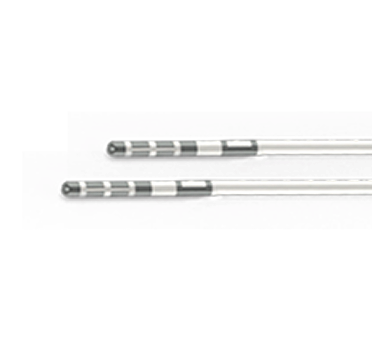
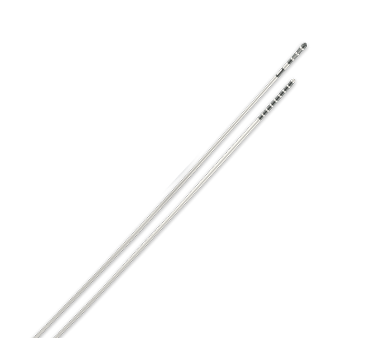
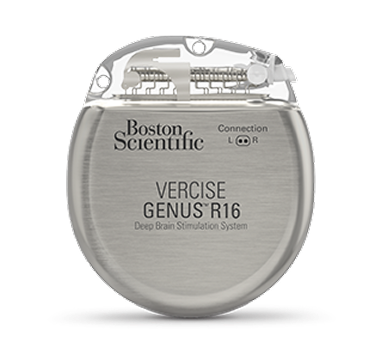
See how the Vercise DBS System works
Watch this short video to find out more about how DBS works and how it might help you find relief.
Proven clinical outcomes of DBS therapy
Clinical studies and real-world results show that the Vercise DBS System is effective in helping patients manage their movement disorder symptoms.



What to expect from your procedure
Your DBS therapy happens in phases over a period of time. Here is what you can expect as you and your clinical team prepare, implant, and personalize your system.




Why Boston Scientific DBS
Discover how our expertise and technology help you get back to what matters. Learn why so many people — and their doctors — have chosen us as their partner for Deep Brain Stimulation therapy.
Is it time for you to consider DBS?
The right time for DBS is different for everyone. Explore resources specific to your diagnosis to find out where it fits in your care.
The patient quotes in this material describe real personal experiences. Individual results may vary. Consult with your physician to determine if you are a candidate for this procedure and what you may gain from the therapy.

Have questions about DBS?
Get answers to common questions about DBS, from the procedure to recovery and beyond.
Take your next step toward DBS therapy
Get started
Has a physician diagnosed you or a loved one with Parkinson’s disease (PD) or essential tremor (ET)?
You've started your assessment
Would you like to pick up where you left off?
You've completed the assessment
Based on your answers, you may be a candidate for: DBS therapy
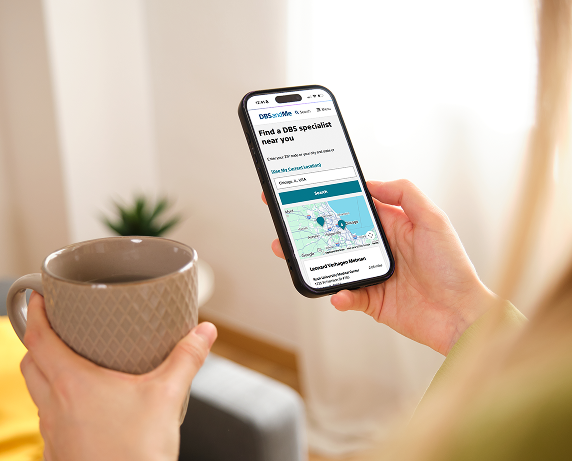

This website is compiled by Boston Scientific (“BSC”) as a reference tool for locating physicians who have experience with Deep Brain Stimulation (“DBS”). This database may not include all physicians that use or have used BSC’s products. No physician has been paid or received a fee to be included in this database.
BSC does not verify or monitor the license, credentials, accreditations or qualifications of any physician listed in the database, and is not responsible for the medical advice of the physicians included in this database. BSC is not responsible and shall not be liable to you or others for any decision made or action taken by you in reliance on this information obtained from this database.
Inclusion of a physician in the database does not mean that BSC endorses or recommends such physician. Similarly, the fact that a physician is not included in the database does not mean that physician is not qualified.
The results are listed by proximity to the search criteria.